Updated November 15, 2026
Quick answer: Deadlifts are a hip-hinge pull that trains the glutes, hamstrings, quads, back, and grip in one movement. That makes them a useful way to build strength and muscle. They help with everyday lifting from the floor, and they belong in a program with other strength work, walking or other cardio, and sensible eating if fat loss is also a goal.
Key takeaways
- The main muscles are the glutes and hamstrings, with help from the quads, spinal erectors, lats, traps and grip, as outlined in NASM's barbell deadlift guide.
- Learn a long-spine setup with the bar over mid-foot before you add load. A trap bar or kettlebell is a fair way to start.
- The 2024 Adult Compendium rates squats and deadlifts at 5.0 METs, and vigorous weight lifting at 6.0 METs (code 02052 and 02050).
| No. | Point | Detail |
|---|---|---|
| 1 | Glutes and hamstrings | The main drivers. They extend the hips and stand you up with the bar. |
| 2 | Quads | Help extend the knees, especially off the floor and in a sumo stance. |
| 3 | Erectors and lats | Keep the spine long and the bar close. They stabilize more than they yank. |
| 4 | Traps | Hold the shoulder girdle steady once the bar leaves the floor. |
| 5 | Grip and forearms | Keep the bar in your hands for the whole pull. |
| 6 | Core | A brace that keeps your torso from folding as the load comes up. |
What muscles do deadlifts work?
A conventional deadlift is a full-body pull, not a lower-back isolation move. You hinge at the hips, take the bar from the floor, and stand up. The hips do most of the work. The back's job is to stay long and keep the bar close.
NASM lists the glutes as the main hip extensor, with the hamstrings helping that extension and the quads helping the knees extend off the floor. Secondary muscles include the spinal erectors, trapezius, lats and the grip muscles that hold the bar. That matches how the lift feels: the legs and hips stand you up, the upper body steadies the load, and your hands have to keep it.
A sumo stance usually uses more knee bend and a more upright torso. A trap-bar deadlift puts the hands at your sides and can feel easier to learn. A Romanian deadlift starts at the hips and is usually lighter, with more time in the hinge.
| Style | Stance and bar | Often chosen for |
|---|---|---|
| Conventional | Feet about hip width, bar over mid-foot | A standard pull and posterior-chain work |
| Sumo | Wide stance, hands inside the knees | A more upright torso and more knee bend |
| Trap / hex bar | Stand inside the bar, hands at the sides | Learning the hinge with a more neutral wrist and grip |
| Romanian | Starts at the hips, slight knee bend | Hamstring and hip-hinge practice, usually lighter |
Which deadlift variation should you use?
Use the style you can keep a long spine with. Conventional is the standard barbell pull. Sumo can suit lifters who prefer a wider stance. A trap bar or a kettlebell is a sensible first step if a loaded barbell still feels awkward. There is no prize for starting heavy.
| No. | Point | Detail |
|---|---|---|
| 1 | Bar over mid-foot | Stand close enough that the bar is over the middle of your foot, not out in front. |
| 2 | Hinge, then grip | Push the hips back, take the bar, and set the back long before you pull. |
| 3 | Brace first | Take a breath and tighten the midsection so the torso does not round as the plates leave the floor. |
| 4 | Push the floor | Think of standing up with the bar, not yanking it with your arms. |
| 5 | Bar stays close | The bar should travel in a near-straight line up the legs. If it drifts forward, the back works harder than it should. |
| 6 | Stand tall to finish | Hips and knees finish together. Do not lean back at the top. |
How do you deadlift with good form?
Stand with the bar over mid-foot, hinge, and grip the bar. Brace the midsection, then stand up by pushing the floor away so the hips and knees extend together. Keep the bar close to the legs. Finish tall, then lower the bar the way you picked it up. Do not lean back at the top.
NASM's setup cues line up with that: feet about hip width, the bar over mid-foot, a brace before the pull, and a controlled return to the floor. If the back rounds or the bar drifts forward, stop, reset, and use less load.
Are deadlifts good for strength and muscle?
Yes. Because so many large muscles work together, the deadlift lets you load a hinge pattern heavily once the form is stable. That is useful for strength and for building muscle in the hips, legs and back, especially when you also eat and recover well. It does not replace squats, presses or carrying work. It sits beside them.
Are deadlifts good for weight loss?
They can help as part of a larger plan. Strength training builds and keeps muscle, and muscle is useful when you are also managing what you eat. Deadlifts do not burn fat from one area, and they are not a substitute for a calorie deficit if fat loss is the goal.
The 2024 Adult Compendium rates resistance training that includes squats and deadlifts at 5.0 METs, and vigorous weight lifting at 6.0 METs. That is moderate to vigorous work, not a reason to skip walking or other cardio. Pair 1 or 2 deadlift days with other strength sessions and regular activity.

Nordic Lifting Lifting Straps, 2 Pairs
4.6 (150 reviews)
A double-overhand strap option for heavy pulls once your thumbs or grip need a rest.
$19.58
Shop lifting strapsShould you use lifting straps for deadlifts?
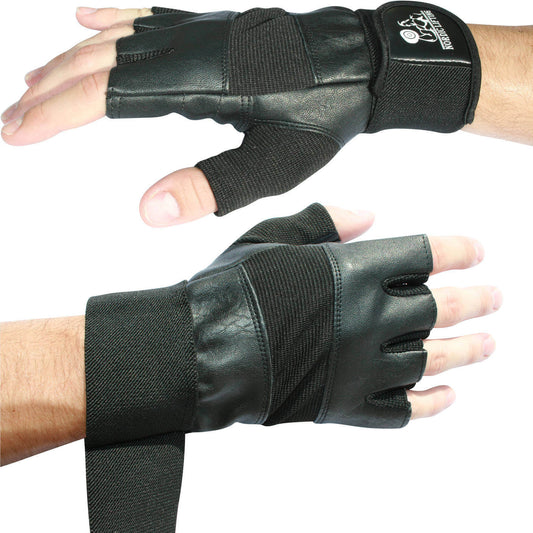
Not while you are still learning the pull. Do your lighter sets with a double-overhand or hook grip so your hands get stronger. Straps are useful later, on heavy back-off sets, once grip is the thing that fails first. A mixed grip (one palm in, one palm out) is another heavy-pull option. If you use it, switch which hand is under from set to set.
The Nordic Lifting Take
I would rather see someone pull a lighter bar with a long spine than chase a number with a rounded back. Learn the hinge, keep the bar close, and let the load come up slowly. Straps can help on hard sets later. They should not hide sloppy form.
Henrik Andersson, founder of Nordic Lifting
By the numbers
- The 2024 Adult Compendium rates "resistance (weight) training, squats, deadlift, slow or explosive effort" at 5.0 METs, activity code 02052, and vigorous weight lifting at 6.0 METs, code 02050 (2024 Adult Compendium of Physical Activities, Conditioning Exercise).
- NASM's barbell deadlift guide lists the glutes, quadriceps and hamstrings as primary muscles, with the erector spinae, trapezius, lats and grip muscles as secondary.
More data: see our US strength training statistics page.
Journalists and writers may use any of these statistics as long as they credit Nordic Lifting with a backlink to this page. Questions can go to our PR email, henrik@nordiclifting.com.
Frequently asked questions
What are deadlifts good for?
They build strength and muscle in the hips, legs, back and grip, and they train the pattern of lifting something from the floor. They also contribute to overall energy use when they are part of a regular strength plan.
What muscles do deadlifts work the most?
The glutes and hamstrings do most of the standing-up work. The quads help off the floor, and the back, lats, traps and grip keep the bar under control.
Are deadlifts good for beginners?
Yes, if you learn the setup with a light load. A trap bar or kettlebell is a fair starting point. Add weight only when you can keep a long spine and a close bar path.
Should I deadlift if I want to lose fat?
You can, as one lift in a wider plan. Strength training helps you keep muscle while you adjust food and daily activity. Deadlifts alone will not do the job.
How often should I deadlift?
Once or twice a week is enough for most people, with easier sets or a variation on the second day if you lift twice.
Do I need lifting straps?
No. Use them on heavy back-off sets once grip is the limit. Learn the movement without them first.
Sources
- NASM, Barbell Deadlift (exercise library), opened 15 November 2026.
- 2024 Adult Compendium of Physical Activities, Conditioning Exercise, codes 02052 (5.0 METs) and 02050 (6.0 METs), opened 15 November 2026.